In now’s quick-paced electronic landscape, organizations must course of action details in serious time, scale seamlessly, and provide sleek user ordeals. Standard ask for/response devices frequently slide short beneath these requires. That’s in which Party-Driven Architecture (EDA) is available in—a design paradigm centered all around producing, detecting, consuming, and reacting to functions.
What's Function-Pushed Architecture?
Event-Driven Architecture (EDA) is a contemporary software layout solution that organizes methods round the thought of occasions. An celebration is any significant alter in point out or occurrence inside a technique—for instance a client inserting an on-line order, a payment getting accredited, or simply a sensor recording a temperature spike. Rather than providers right requesting information and facts from one another, they communicate by creating and reacting to these functions.
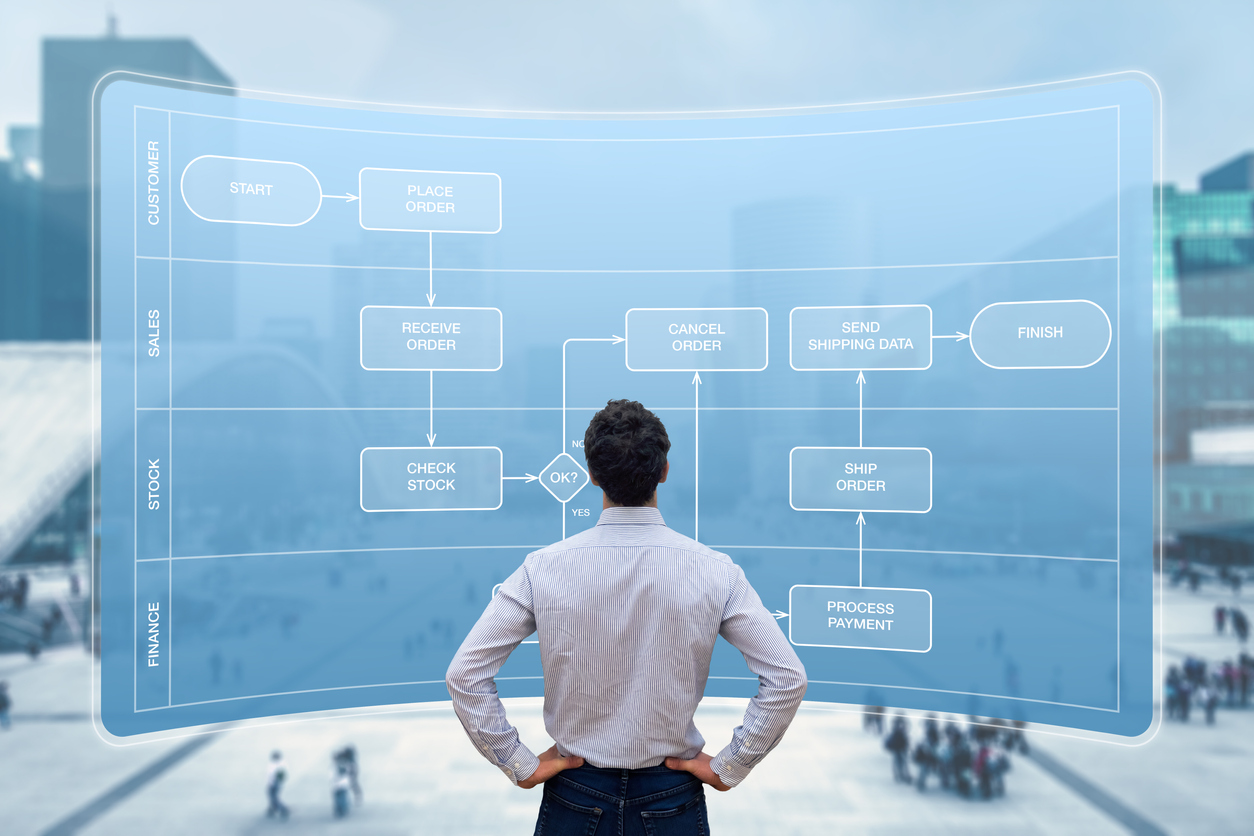
In EDA, 3 Main parts get the job done alongside one another: event producers, event brokers, and occasion customers. Producers create activities Each time anything significant takes place. These functions are sent to an function broker (for example Apache Kafka, RabbitMQ, or AWS EventBridge), which acts since the central hub for distributing them. Shoppers then subscribe to and method the activities pertinent to them. As an example, when an purchase is placed, one service may deal with payment, An additional may well update inventory, and a 3rd could possibly send the confirmation electronic mail—all brought on mechanically by the exact same celebration.
The real key benefit of this strategy is decoupling. Producers don’t want to learn which providers will consume their events, and individuals is often additional or removed without the need of disrupting current processes. This adaptability allows methods to scale more quickly, combine new functionality a lot quicker, and react in genuine time.
EDA is very beneficial in modern use scenarios like e-commerce, economic transactions, Web of Matters (IoT) devices, and microservices architectures in which asynchronous interaction and responsiveness are vital. However, What's more, it introduces new complexities, including running function buying, handling duplicates, and making sure eventual consistency.
In essence, Celebration-Pushed Architecture shifts the main focus from requesting information to reacting to alter. It permits organizations to make computer software that may be a lot more agile, scalable, and aligned While using the dynamic, genuine-time character of today’s digital earth.
When to Use Function-Pushed Architecture
Event-Driven Architecture (EDA) is just not a one-dimension-matches-all Alternative, however it excels in conditions where by responsiveness, scalability, and flexibility are crucial. Figuring out when to undertake this style strategy may help corporations maximize its strengths whilst keeping away from avoidable complexity.
Among the best use circumstances for EDA is in true-time apps. Devices that involve instant responses—like fraud detection in banking, Reside notifications on social websites, or IoT products checking sensors—gain enormously from EDA’s power to respond The instant an party takes place. In lieu of waiting for scheduled checks or handbook triggers, events immediately drive steps.
EDA also thrives in really scalable environments. Because event producers and consumers are decoupled, each ingredient can scale independently. This can make it specially precious for e-commerce platforms, streaming expert services, and journey-hailing apps, exactly where demand can spike unpredictably. Systems can tackle unexpected surges with no bottlenecks, as buyers could be scaled up to meet the load.
Another potent use scenario is intricate workflows across multiple units. One example is, in provide chain management, an get function can cause inventory checks, delivery updates, and client notifications—all coordinated asynchronously with no one position of failure.
EDA is additionally a natural in good shape for microservices architectures. Microservices get pleasure from free coupling, and EDA provides a method for them to communicate efficiently without the need of generating tight dependencies. This ends in a lot more agile, resilient, and maintainable systems.
On the other hand, EDA just isn't suitable For each situation. For apps requiring rigid, synchronous consistency—like some fiscal accounting systems—a ask for/reaction design may very well be less complicated and more reputable.
In summary, Event-Driven Architecture is most effective employed when units must respond quickly, scale dynamically, and take care of dispersed processes seamlessly. It transforms apps from remaining passive info pollers into agile units that adapt immediately to alter.
Why Use Party-Driven Architecture?
Function-Pushed Architecture (EDA) offers considerable pros for organizations aiming to create devices which are agile, scalable, and aware of improve. In contrast to standard ask for/reaction models, EDA enables programs to respond right away to events, making it effectively-suited to currently’s dynamic electronic environments.
One of the main causes to employ EDA is adaptability. Producers of occasions don’t want to find out who consumes them. This decoupling signifies that expert services can evolve independently. Such as, if you add a brand new services to deliver drive notifications when an purchase is placed, it may just subscribe to the present purchase occasion with out altering the producer or other customers. This helps make EDA ideal for systems that need to adapt and expand quickly.
Another vital profit is scalability. Considering the fact that factors are loosely coupled, Just about every can scale By itself depending on need. High-traffic products and services, like payment processing in e-commerce, can tackle spikes independently devoid of impacting unrelated programs including inventory or analytics.
EDA also boosts resilience. If a client support is temporarily down, the party broker makes sure that the occasion is saved and sent once the service recovers. This lessens the chance of data decline and makes it possible for methods to take care of features even when some pieces fall short.
Additionally, EDA increases efficiency and efficiency. Programs don’t waste methods polling for updates. As an alternative, they act only when an event happens. This event-pushed responsiveness creates speedier, smoother consumer experiences, from fast notifications to actual-time analytics dashboards.
Lastly, EDA supports *uture-proofing. As businesses adopt new systems or business demands arise, they can easily increase new shoppers without the need of disrupting current procedures.
In short, employing EDA permits organizations to make techniques which have been much more adaptable, scalable, and aligned with authentic-time anticipations—vital strengths inside a entire world where agility usually defines results.
Concerns Ahead of Adopting EDA
Though Event-Driven Architecture (EDA) delivers adaptability, scalability, and resilience, It isn't with no troubles. Before adopting it, companies must thoroughly weigh the trade-offs and identify whether or not the benefits align with their demands and complex maturity.
An important thing to consider is complexity in design and operations. In contrast to request/response techniques, EDA relies on asynchronous conversation, which could make workflows more challenging to trace. Debugging results in being more complex, because figuring out the root reason for an issue frequently demands tracing activities across numerous solutions and occasion streams. Teams must invest in strong checking and logging instruments to keep up visibility.
One more element is function ordering and duplication. In distributed units, situations may well not constantly arrive within the order they were being manufactured, or They could be sent a lot more than when. Developers really need to style and design idempotent people (capable to handle copy gatherings with no mistakes) and account for potential delays or inconsistencies.
EDA also introduces the thought of eventual consistency. While this is Woltmann Programming appropriate in lots of use cases, it might be problematic in programs that need demanding, rapid accuracy, which include selected economic accounting or compliance-pushed apps. Organizations ought to Consider whether their small business processes can tolerate slight delays in details synchronization.
Ability requirements current another problem. Creating, deploying, and retaining EDA methods necessitates specialized know-how in occasion brokers, messaging styles, and distributed programs. Teams may have additional education or new hires, which improves fees.
At last, There is certainly The difficulty of infrastructure overhead. Occasion brokers and messaging platforms insert another layer to handle. Though cloud providers offer you managed products and services like AWS EventBridge or Google Pub/Sub, relying on them may well increase fees and make seller lock-in.
In summary, EDA is effective although not universally relevant. Businesses must look at complexity, consistency requirements, infrastructure, and crew know-how before adoption. With the correct planning, EDA can supply huge value—with out getting to be an unwanted stress.
Summary
Event-Driven Architecture is over a buzzword—it’s a functional Option for setting up scalable, responsive, and resilient systems in an more and more actual-time entire world. By knowledge when and why to implement it, enterprises can harness its strengths while staying away from pointless complexity. For several modern day programs, EDA isn’t just a choice—it’s getting to be the common.